
What’s happening at Real Madrid right now isn’t just a bad run of form. The defeat to Celta and the growing gap behind Barcelona are symptoms, not the disease. The real issue is leadership—and more specifically, what happens when a leader abandons conviction in exchange for short-term harmony.
Xabi Alonso’s situation is a textbook case of how projects fail when leaders stop leading.
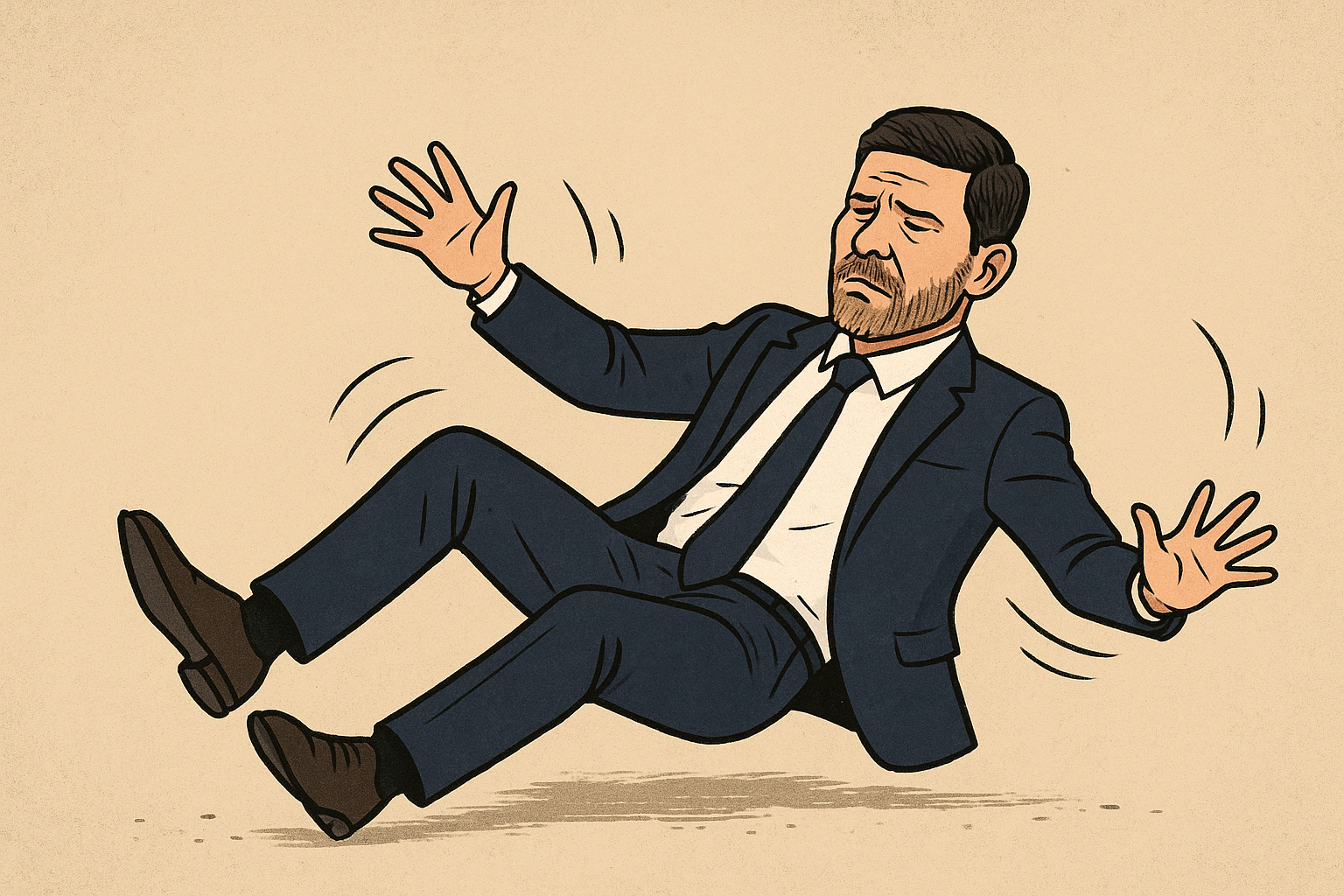
Conviction Is the First Thing Stakeholders Buy Into
When Alonso arrived, he did exactly what a new leader is supposed to do: introduce new ideas. Fresh structure. A clear philosophy. A visible break from the past. That’s how trust is initially built—by signaling direction.
But then came the pivot.
After discussions with players, Alonso reportedly softened his stance. He adjusted his system to fit player preferences, drifting closer to familiar Ancelotti-era patterns. On the surface, this looks like flexibility. In practice, it’s something far more dangerous: capitulation.
In project terms, this is the moment a project manager stops defending the roadmap and starts crowd-sourcing strategy from the loudest stakeholders. Once that happens, ownership dissolves.
And the results? Predictable. The strategy doesn’t work. The board loses faith. The team senses uncertainty.
The Minority Problem: When Key Voices Hijack Direction
The most alarming detail isn’t that players disagreed with Alonso—it’s that a small but influential group opposed him.
Most of the dressing room reportedly backed the coach. But a minority of key players didn’t understand the tactics and didn’t like the management approach. Those voices mattered more than they should have.
This is where many leaders fail.
In organizations, a powerful minority can derail entire initiatives if leadership allows it. When you let critical stakeholders override the plan without alignment, the project stops being coherent. Authority fragments. Momentum dies.
There’s a brutal truth here: you can listen without surrendering. Alonso listened—and surrendered.
The moment he adjusted his philosophy to appease internal resistance, the internal battle was lost. Not because the dissenters were right, but because they learned they could win.
The Vinícius Jr. Signal: When the Board Picks the Player Over the Coach
Nothing exposes a leadership collapse faster than stakeholder calculus.
If the board believes that a coach’s presence complicates a star player’s contract renewal, the hierarchy is already broken. At that point, the question isn’t tactical—it’s existential.
Who is more central to the strategy: the coach or the player?
When that answer becomes unclear, the coach has already lost.
From a leadership perspective, this is catastrophic. It signals that the manager is no longer seen as the long-term architect, but as a variable cost—replaceable if inconvenient.
The Worst Way to Fail
There’s a difference between failing with your ideas and failing after abandoning them.
Lose while executing your vision, and you can defend the logic. You can say, this needed more time. Lose after compromise, and all that’s left is regret.
That’s the real tragedy here.
If Alonso is eventually dismissed, it won’t just be because results dipped. It will be because he lost while playing a version of football that wasn’t his. That’s the leadership lesson too many managers—on the pitch and in boardrooms—learn too late.
If you’re going to fall, fall standing on your principles. Otherwise, when the project collapses, you’ll be left asking the only question worse than failure:
Why did I cave in?
Leadership isn’t about consensus. It’s about coherence. And once conviction is gone, everything else follows.
